

What Does Healthy Aging Mean for Assisted Living Residents in South Williamsport, PA?
Healthy aging in assisted living means supporting physical, mental, and social well-being in daily routines, no matter your age or ability. For residents in South Williamsport, this includes adapting to the region’s seasonal climate shifts, making use of safe housing environments, and building a sense of community with neighbors and staff.
Local factors play a role. Winters can be long and cold, requiring strategies to stay active indoors, while warmer months may encourage more outdoor movement and social activities. Building a healthy lifestyle is less about major overhauls and more about steady habits adapted for the setting and surroundings.
How Can Nutrition Be Balanced in Assisted Living Settings?
A balanced diet helps support energy, manage chronic conditions, and maintain independence. For those living in assisted living communities, meals often follow broad guidelines, but residents can advocate for their needs and supplement with appropriate snacks if allowed by facility policy.
Key points for the area:
- Pennsylvania’s growing season yields fresh produce for part of the year; enjoy locally sourced fruits and vegetables during these months.
- Hydration is essential. Indoor heating during South Williamsport winters can lead to dry conditions—drinking water regularly helps prevent dehydration.
- Residents should consult with medical staff about their nutritional needs, especially if on a special diet for diabetes, heart health, or allergies.
- Consistency is more helpful than strict restrictions. Small changes, like including more fiber or adjusting salt use, can make a daily difference.
What Physical Activities Are Safest and Most Beneficial for Local Residents?
Staying active improves balance, mood, and overall health. In assisted living, accessible movement matters more than high-impact exercise.
Safe options include:
- Stretching or light movement classes commonly offered in shared spaces
- Walking in hallways, courtyards, or maintained sidewalks, especially during clear weather
- Seated exercises using resistance bands or small handheld weights, good for days when venturing outside isn’t safe due to ice or snow
- Local group activities like chair yoga or gentle tai chi, which don’t require advanced skill or prior experience
Misconceptions about physical activity can hold people back. Activities do not need to be strenuous to be effective, and participation can be adapted for any level of mobility.
How Can Residents Stay Socially Connected in Assisted Living?
Meaningful social interaction supports emotional well-being and reduces feelings of isolation, which can be heightened by seasonal changes or mobility challenges.
Practical ways to stay connected in the area:
- Participating in scheduled group activities, common rooms, or meal times even on quieter days
- Taking advantage of local traditions or seasonal celebrations that bring residents together, such as holiday craft sessions or summer picnics
- Using available phone or video call technology to stay in touch with friends or family, especially during winter months or health advisories
- Sharing hobbies—games, puzzles, or music—with neighbors or staff
Social opportunities provide routine and purpose, both vital for lasting well-being.
Can Mental Wellness Be Supported Alongside Physical Health?
Mental wellness is just as critical as physical health. In South Williamsport’s assisted living communities, structured support is available, but daily habits matter, too.
Simple approaches:
- Creating daily routines—predictability reduces anxiety and supports cognitive wellness
- Engaging in brain-stimulating activities, such as reading, solving puzzles, or joining discussion groups
- Recognizing local environmental factors, such as less sunlight in winter, and discussing mood changes with staff or trusted individuals if you notice persistent sadness
- Taking breaks outdoors when possible, as exposure to natural light can lift mood—even a few minutes near an open window or outside on a porch is beneficial
It’s a common misconception that cognitive decline is inevitable. Many aspects of mental acuity can be maintained or even improved with ongoing engagement.
What Can Residents Do to Prevent Falls and Injuries Indoors?
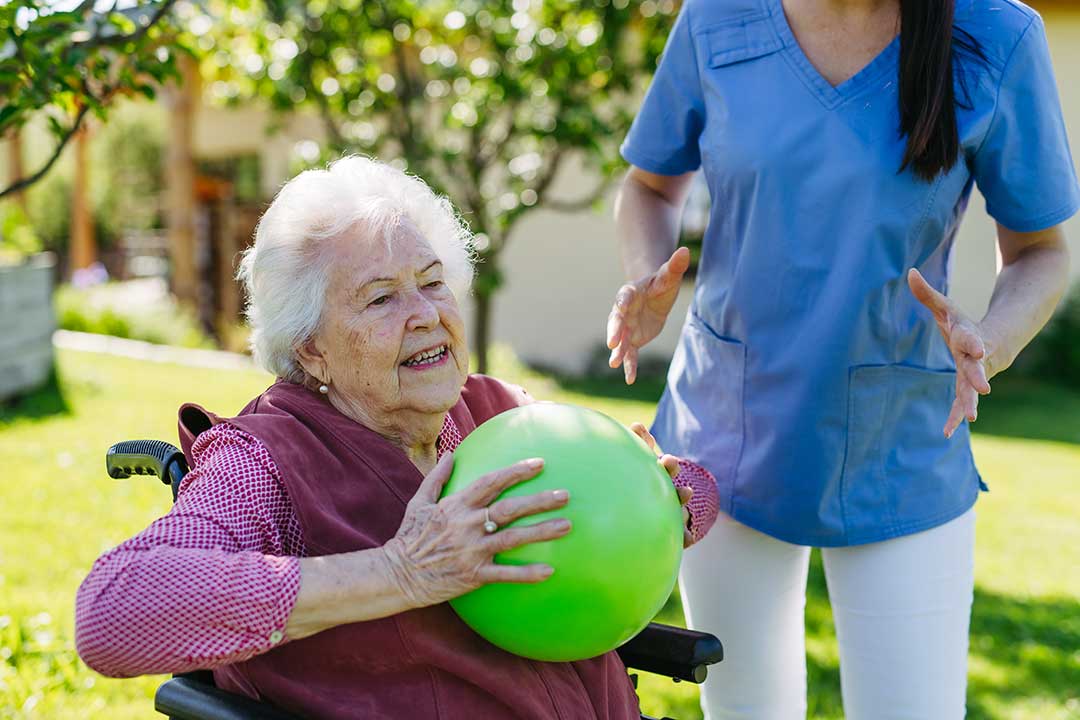
Preventing falls is a central concern, especially during icy South Williamsport winters or periods of less mobility.
Effective prevention strategies:
- Wearing appropriate, non-slip footwear inside and outside, especially when surfaces may be wet or icy
- Using available handrails, grab bars, or mobility aids without hesitation
- Double-checking personal living spaces to keep pathways free from clutter, runaway cords, or small area rugs that can shift underfoot
- Standing slowly after sitting or lying down to prevent dizziness, and reporting any changes in balance to staff
Clear lighting in hallways and bathrooms is vital, particularly during shorter daylight hours. Residents should not feel uncomfortable advocating for safe surroundings.
What Role Does Rest and Sleep Play for Residents?
Rest and quality sleep help bodies heal, regulate mood, and provide energy for day-to-day activities.
Residents in assisted living can support better sleep by:
- Creating a calming evening routine, such as reading or listening to soft music before bed
- Avoiding caffeine or large meals close to bedtime, which can disrupt sleep
- Keeping living spaces cool and dark at night, making use of blackout curtains when needed
- Reporting persistent sleep difficulties, which could signal underlying health needs
Changes in sleep patterns can be normal with age, but significant disruptions shouldn’t be ignored.
How Can Residents Advocate for Their Own Well-Being?
Residents are encouraged to take an active interest in their health and daily routines. Open communication with staff, friends, and other residents contributes to a supportive environment for healthy aging.
Examples of effective advocacy include:
- Asking questions about menu changes or physical activity offerings
- Expressing preferences for room lighting, temperature, or noise to support comfort
- Joining resident councils or feedback groups if available, so collective concerns can be addressed
- Reminding staff about any missed medications or changes in health status
Independence can be maintained in many small ways by speaking up, staying informed, and working collaboratively with the community.
