
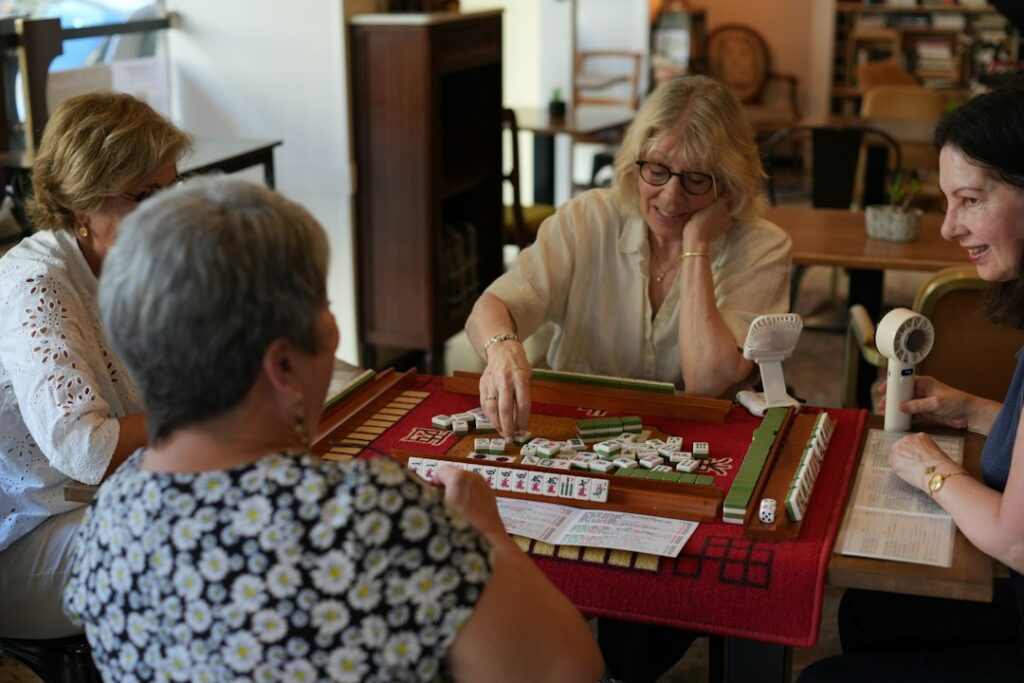
Intergenerational activities bring older adults and younger people together for shared conversation, learning, creativity, and companionship. In assisted living, these activities can support emotional well-being, mental stimulation, physical engagement, and a stronger sense of connection to the surrounding community.
For residents of South Williamsport, PA, intergenerational programs may include visits from school-age children, shared activities with relatives, volunteer projects, seasonal gatherings, or regular exchanges with younger community members. The most effective programs are planned around comfort, safety, mutual respect, and genuine participation rather than simply placing different age groups in the same room.
What are intergenerational activities?
Intergenerational activities are organized experiences that involve people from different age groups. In assisted living, they may bring residents together with children, teenagers, young adults, parents, or multigenerational families.
Examples include:
- Reading stories together
- Playing cards, board games, or simple group games
- Making seasonal crafts
- Sharing family recipes and food traditions
- Gardening in raised beds or indoor containers
- Singing, playing instruments, or listening to music
- Recording oral histories and personal memories
- Completing service projects
- Working on art, writing, or photography projects
- Celebrating birthdays, holidays, and cultural traditions
The activity itself matters, but the quality of the interaction matters more. A meaningful conversation between a resident and a young visitor can be just as valuable as a large group event.
How can these activities benefit older adults?
Intergenerational contact can reduce feelings of loneliness and help residents feel remembered, useful, and connected. Regular interaction may also give structure to the week and create something positive to anticipate.
Older adults often have knowledge that younger participants do not encounter in everyday life. Residents may share stories about work, family traditions, local history, military service, household skills, music, gardening, or changes they have witnessed over many decades. Being invited to teach or explain something can reinforce confidence and personal identity.
Activities may also encourage:
- Conversation and social participation
- Memory recall through familiar songs, objects, and stories
- Hand coordination through crafts, games, or gardening
- Light movement through dancing, walking, or activity stations
- Emotional comfort through affectionate and respectful interaction
- A sense of purpose through mentoring and storytelling
These benefits should not be overstated. Intergenerational programs do not replace clinical care, counseling, or treatment for depression or cognitive disorders. They are supportive social experiences that can complement those services.
Do intergenerational programs help residents with memory loss?
They can, especially when activities are predictable, familiar, and adjusted to the resident’s abilities. People living with dementia may respond positively to music, simple art projects, folding towels, looking through photographs, or sharing food traditions.
The goal should not be to test memory or demand detailed answers. Instead, activities can focus on present-moment enjoyment. A resident may not remember a visitor’s name later but can still experience comfort, interest, or pleasure during the interaction.
Helpful practices include:
- Using short, clearly explained activities
- Offering one task at a time
- Avoiding corrections or arguments about past events
- Allowing residents to observe without participating
- Reducing background noise when possible
- Pairing residents and visitors in small groups
- Watching for signs of fatigue, frustration, or overstimulation
Younger participants also benefit when they learn that communication does not always depend on quick answers or perfect memory.
What do younger people gain from visiting assisted living?

Children and teenagers can develop empathy, patience, listening skills, and a broader understanding of aging. They may discover that older adults have interests, humor, talents, and opinions that are not defined by age or health needs.
A resident who enjoys baseball history, sewing, poetry, woodworking, cooking, or local traditions may become a mentor in a very natural way. Younger visitors may also gain a more realistic understanding of changes in mobility, hearing, vision, and memory.
Intergenerational visits can correct common misconceptions, including the idea that all older adults are frail, isolated, or unable to learn. Residents are individuals with different personalities, abilities, preferences, and life experiences.
For children, the best activities are usually simple and active enough to hold attention. For teenagers, projects involving technology, interviews, music, art, or community service may create a stronger sense of shared purpose.
Which activities work well in a local assisted living setting?
Programs should reflect the season, the building’s available space, and residents’ interests. In South Williamsport, changing weather throughout the year may make indoor options especially useful during cold, wet, or very warm periods. Outdoor activities can be offered when walkways, seating, shade, and supervision are appropriate.
Practical examples include:
Shared reading and storytelling
A younger visitor can read a short story, poem, newspaper feature, or familiar children’s book. Residents may then discuss related memories or explain words and expressions that younger people do not recognize.
Music across generations
Residents and younger participants can compare favorite songs, learn simple rhythms, sing familiar music, or create a playlist around a theme. Music often provides an accessible way to connect when conversation is difficult.
Gardening and nature activities
Planting herbs, caring for indoor plants, sorting seeds, or observing birds can encourage gentle activity and discussion. Raised containers and tabletop gardening may be more accessible than traditional ground-level beds.
Creative projects
Painting, collage, paper crafts, seasonal decorations, and collaborative murals allow people to participate at different skill levels. The finished project can remain on display as a reminder of the shared experience.
Life-story projects
Residents can describe a memorable job, family tradition, favorite meal, or important historical event. Younger participants can help write, record, or illustrate the story, with the resident’s permission.
Games and puzzles
Simple card games, matching activities, trivia, dominoes, and large-piece puzzles can encourage conversation without requiring athletic ability. Rules should be flexible enough to keep the experience enjoyable.
How can families make visits more meaningful?
Families do not need elaborate plans. A visit may work better when it includes one clear activity rather than a long period of unstructured conversation.
Before visiting, consider the resident’s energy level, hearing or vision needs, and preferred interests. Bring familiar photographs, a favorite snack if permitted, a simple craft, or music that has personal meaning. Children should receive age-appropriate guidance about speaking clearly, waiting for responses, and respecting personal space.
Visits should also remain flexible. A resident may be interested for ten minutes and tired afterward. Short, positive visits are often more successful than lengthy interactions that leave everyone overwhelmed.
What safety and dignity issues should be considered?
Intergenerational activities should be supervised and designed for the abilities of everyone involved. Staff or responsible adults should consider infection-control practices, allergies, fall hazards, choking risks, privacy, and transportation arrangements.
Residents should never be treated as entertainment or expected to perform for visitors. Participation must be voluntary. Photographs, recordings, and personal stories should only be shared with appropriate permission.
Younger visitors also need protection from situations that may be confusing or distressing. Clear expectations, accessible spaces, and an adult who can quietly redirect the activity help create a comfortable experience for all participants.
The strongest programs are reciprocal. Residents contribute knowledge, humor, skills, and life experience, while younger participants contribute curiosity, energy, creativity, and companionship. That exchange can make assisted living feel more connected to family life and the wider community without diminishing residents’ independence or dignity.
