
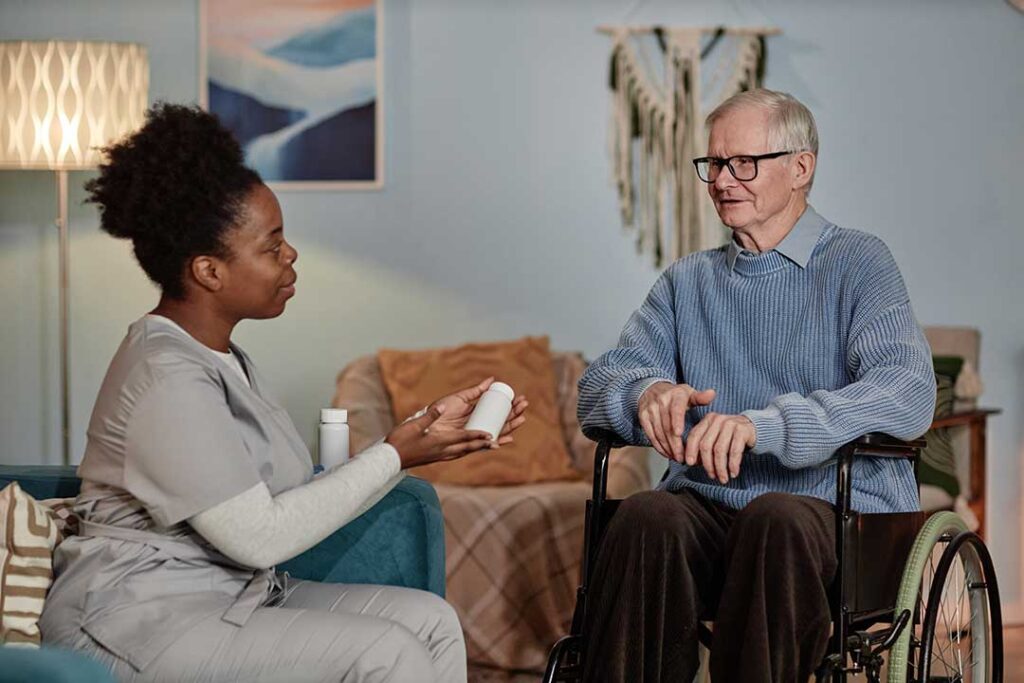
Assisted living should support more than a person’s physical needs. For residents in South Williamsport, PA, respectful care may also include familiar foods, religious observances, preferred language, modesty practices, family customs, cultural routines, and access to spiritual support.
Cultural and religious accommodations are not special favors. They are practical parts of person-centered care. A resident’s beliefs and traditions can affect meals, clothing, personal care, medication routines, visitors, holidays, end-of-life preferences, and daily activities.
What do cultural and religious accommodations mean in assisted living?
Cultural and religious accommodations are reasonable adjustments that help a resident continue meaningful practices while receiving safe care. The details vary from person to person, even among people who identify with the same faith or cultural background.
Examples may include:
- Providing meals that follow religious, cultural, vegetarian, or allergy-related requirements
- Allowing time and privacy for prayer, meditation, scripture reading, or other observances
- Helping a resident attend worship services or connect with a faith leader
- Respecting religious clothing, head coverings, jewelry, or grooming practices
- Using a resident’s preferred name and communication style
- Supporting cultural holidays and important family traditions
- Considering preferences about who provides bathing, dressing, or other personal care
- Allowing designated family members or spiritual advisers to visit, subject to reasonable safety rules
- Recording preferences about serious illness, death, burial, cremation, or other final arrangements
An accommodation should respect the resident’s choice without compromising medication safety, nutrition, infection control, fire safety, or the rights of other residents.
Why should these preferences be discussed before move-in?
Early discussion gives the residence time to plan instead of reacting after a problem occurs. A family can provide a written list of the resident’s routines, restrictions, important dates, and preferred sources of spiritual or cultural support.
Useful topics include:
- Foods the resident avoids and whether separate preparation is needed
- Fasting practices and how medication schedules may need to be reviewed
- Prayer times, Sabbath or holy-day observances, or other recurring practices
- Preferences involving touch, personal space, bathing, grooming, or gender-specific care
- Religious items that should remain in the room
- Language or hearing needs that affect communication
- People the resident wants involved in care discussions
- Procedures to follow if the resident becomes unable to make decisions
Families should ask for these preferences to be included in the resident’s assessment and service plan. In Pennsylvania, assisted living residences are licensed and inspected by the Department of Human Services under 55 Pa. Code Chapter 2800. State requirements address areas such as nutrition, health care, personal care, staff training, and resident well-being. ([pa.gov](https://www.pa.gov/agencies/dhs/resources/aging-physical-disabilities/personal-care-homes?utm_source=openai))
How can meals reflect religious and cultural needs?
Food is often one of the most visible parts of cultural identity. A resident may avoid particular meats, require foods prepared in a specific way, follow vegetarian or vegan practices, avoid alcohol-based ingredients, or observe fasting periods.
Ask specific questions rather than relying on broad labels. For example:
- Which foods are prohibited?
- Are certain foods acceptable only if prepared separately?
- Are there preferred meal times?
- Does the resident fast, and are there exceptions for illness or medication?
- Can family members bring food, and what storage rules apply?
- How will staff respond if appetite changes or the resident loses weight?
A fasting practice should never be handled casually. Older adults may be vulnerable to dehydration, low blood sugar, medication complications, and falls. The resident, authorized decision-maker, nursing staff, and prescribing clinician may need to create a safe plan. A resident may choose to modify a practice because of health needs, but staff should not assume that medical concerns automatically cancel the resident’s beliefs.
What should families ask about prayer, worship, and spiritual support?
A residence may not have a dedicated chapel or meditation room, but it should be able to explain how residents can practice privately and safely. A quiet room, a resident’s apartment, or a shared space may work depending on the person’s needs and the residence’s rules.
Questions worth asking include:
- Is there a private or quiet area for prayer or reflection?
- Can clergy, chaplains, or other faith leaders visit?
- Can the resident attend services outside the residence?
- Is transportation available, and who arranges it?
- Can religious music, readings, candles, incense, or other items be used safely?
- How are group activities described so residents can choose freely?

Open flames, smoke, incense, and electrical devices may be restricted because of fire or health risks. A restriction should be explained clearly, applied consistently, and paired with a safer alternative when possible.
Residents should not be pressured to participate in another person’s worship. At the same time, a residence may offer optional religious or spiritual activities if residents are free to decline and activities are presented respectfully.
Can residents receive visitors from their faith or cultural community?
Residents should be able to identify visitors who provide emotional, cultural, or spiritual support, subject to reasonable health and safety policies. For facilities covered by federal long-term-care visitation rules, federal guidance recognizes that designated visitors may include clergy, chaplains, ministers, or other faith leaders, and visitation policies may not discriminate based on religion. ([hhs.gov](https://www.hhs.gov/civil-rights/for-individuals/special-topics/emergency-preparedness/faqs-patient-visitation/index.html?utm_source=openai))
Families should ask about visiting hours, sign-in procedures, private conversations, group visits, and temporary restrictions during illness outbreaks. A visitor who provides spiritual support should not be treated differently from other approved visitors simply because the visit is religious in nature.
What about language, communication, and cultural differences?
A resident may understand English but still communicate more comfortably in another language, especially during stress, illness, or cognitive decline. Cultural differences may also affect eye contact, personal space, directness, family involvement, and how a person expresses pain.
Helpful approaches include:
- Recording the resident’s preferred language and name pronunciation
- Using qualified interpretation when important medical or care decisions are discussed
- Avoiding reliance on a young child or untrained family member for complex interpretation
- Asking how the resident prefers family members to participate
- Confirming understanding instead of assuming silence means agreement
- Including culturally familiar music, stories, activities, or celebrations when the resident wants them
A diagnosis of dementia does not automatically erase cultural or religious preferences. Familiar rituals may provide comfort and help reduce confusion.
What rights protect residents from religious discrimination?
Federal fair-housing law prohibits discrimination in housing based on religion, along with other protected characteristics. The Pennsylvania Human Relations Commission also identifies religious creed as a protected basis in covered public-accommodation settings. The exact law that applies can depend on the residence’s structure, funding, services, and the situation involved. ([justice.gov](https://www.justice.gov/crt/us-department-justice?utm_source=openai))
A disagreement about a request is not automatically discrimination. A residence may deny or modify a practice when it creates a genuine safety risk, conflicts with a necessary care requirement, or substantially interferes with other residents’ rights. The residence should explain the reason and explore alternatives rather than dismissing the request without discussion.
If a concern is unresolved, keep notes of dates, conversations, policies, and requested accommodations. Begin with the administrator or designated grievance process. Pennsylvania’s Bureau of Human Services Licensing oversees assisted living residence licensing and provides information about regulatory questions and complaints. ([pa.gov](https://www.pa.gov/agencies/dhs/resources/licensing/pch-alr-licensing/pch-alr-contact?utm_source=openai))
What should be included in a move-in checklist?
Before admission, residents and families can prepare a short cultural and religious preferences document covering:
- Dietary rules and favorite familiar foods
- Prayer, worship, fasting, and holiday practices
- Clothing, grooming, and personal-care boundaries
- Preferred language and communication needs
- Visitors and spiritual advisers
- Important family customs
- Religious or cultural items kept in the room
- Health or safety changes that may require a revised plan
The document should be reviewed whenever the resident’s health, decision-making ability, medications, or living arrangements change. Respectful accommodation is an ongoing conversation, not a one-time form.
